

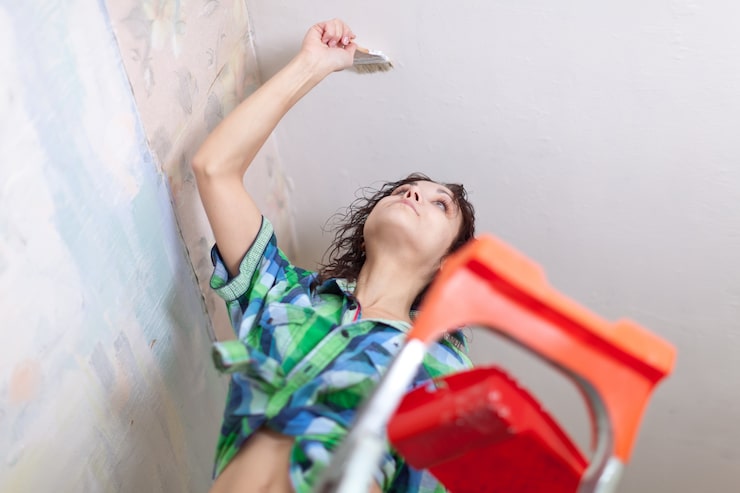
A doorknob dent, a moved shelf bracket, an accidental elbow through the wall — drywall damage is one of the most common home repairs people put off simply because it looks more complicated than it is. In reality, a hole up to a few inches wide is a genuinely beginner-friendly weekend fix, and getting it right comes down to patience with drying times more than any special skill.
Sizing Up the Damage First
Small dents and nail holes under half an inch just need spackle and a putty knife — no patch required. Holes up to about six inches across are where a self-adhesive mesh patch or a small drywall patch kit does the job cleanly. Anything larger than that, especially anything showing wiring or insulation behind it, usually calls for cutting in a proper drywall patch piece cut to match the stud spacing, which is a bigger project than this guide covers.
What You’ll Need
- Self-adhesive mesh patch: sized to cover the hole with an inch or two of overlap on all sides — these stick directly to the wall and don’t require cutting a matching drywall piece for small to mid-size holes.
- Joint compound (mud): pre-mixed lightweight joint compound is easier for beginners to work with than powder that needs mixing.
- A 6-inch and a 10-inch putty knife: the smaller one applies compound, the wider one smooths and feathers the edges so the patch blends into the surrounding wall.
- Fine-grit sanding sponge: for smoothing dried compound between coats without gouging the surrounding wall texture.
- Primer and matching paint: unprimed patched areas absorb paint differently than the rest of the wall, which is what causes that visible patchy sheen difference people associate with a bad repair.
Applying the Patch
Clean loose debris from the hole, press the adhesive mesh patch firmly over it, and apply a thin layer of joint compound over the entire patch with the smaller putty knife, extending a couple of inches beyond the patch edges. Let this first coat dry fully — usually overnight — before sanding lightly and applying a second, wider coat with the larger putty knife to feather the edges further into the surrounding wall.
The Feathering Step Most People Rush
The difference between a patch that’s invisible and one that’s obviously a patch almost always comes down to feathering — gradually thinning the compound out several inches beyond the actual hole so there’s no hard edge or ridge once it’s painted. Rushing straight from patch to paint without a wide enough feather is the single most common reason a repaired wall still looks repaired from across the room.
If this repair is part of a bigger refresh rather than a single fix, our guide to creative DIY projects to transform your home on a budget covers a range of small upgrades worth tackling in the same weekend.
Priming and Painting
Once the final coat is sanded smooth, prime the patched area before painting — skipping primer is what causes that dull or shiny patch of mismatched sheen under the topcoat, since bare joint compound absorbs paint differently than painted drywall around it. Painting the entire wall, corner to corner, rather than just the patch, avoids visible touch-up lines almost entirely, especially with paint that’s aged even slightly from the original can.
For anyone tackling this as part of a full weekend project list, our step-by-step guide for weekend warriors walks through how to sequence multiple small repairs like this one efficiently.
A Safety Note for Older Homes
Homes built before 1978 may have lead-based paint beneath newer coats, and sanding or disturbing that paint requires specific precautions to avoid releasing lead dust into the home.
If your home falls into that category, the EPA’s lead-safe renovation guidance outlines the precautions to take before sanding painted drywall.
The Bottom Line
A drywall patch is one of the most approachable home repairs precisely because the materials are forgiving and mistakes are easy to sand out and redo. The real skill isn’t technique — it’s patience with dry time and a willingness to feather the edges wider than feels necessary the first time around.


