


The exterior of a building can be in perfect condition today but deteriorate over a period of months and years from construction, weather, renovations, or general wear and tear. If there is no documentary evidence of its original state, determining when some of the changes took place can be challenging. A professional property condition assessment can document a starting point by taking photographs, observing and measuring the property. These records are useful to property owners, investors, contractors, managers, and others who wish to track conditions in buildings and ensure that they have a reliable record.
So what is a Property Condition Assessment?
A property condition assessment is a process of documenting the current (observed) condition of a building and its selected components at a particular time. It establishes a baseline record and helps pinpoint any changes that can be seen in the future.
Documentation can contain photographs, notes, measurements, etc. etc. of the property. It can be used on the interiors, exterior walls and roofs, surrounding areas and for other accessible parts of a building. The goal is to provide an accurate historical reference and not assumptions of structural performance.
Why is it important to have base line property documentation?
There are various reasons why changes can occur in buildings, such as environmental exposure, construction activities, maintenance problems, and the use of buildings. An earlier record would help the property owner to know what existed before an event or project.
Let’s assume, for instance, that you have a commercial property at an edge of a construction site. It is useful to have an existing record of the condition of the site prior to excavation as a reference should visible changes be observed subsequent to excavation. Likewise, landlords can make a landlord’s report of the condition of a rental property before tenants move in to establish the original condition.
Base Line Documentation also facilitates communication between property owners, contractors, insurance professionals and others involved. It offers structured data that can be consulted in case property conditions question occurs.
What does an Information on a Property Condition Report Contain?
A detailed property condition report is a structured report of key observations that is easy to understand. This information will vary depending on the property, project needs and documentation services chosen.
Data such as dated photographs of building interiors and exteriors, and written observations of visible conditions, selected measurements, and records of relevant site features. Aerial photography and floor plans, and a 360-degree walk through may also be included as appropriate.
This information can be presented in a single, cohesive report, making comparisons in the future easier. It also supports the tracking of the property’s history in regard to management and project planning purposes.
When Should Property Owners Create Baseline Documentation?
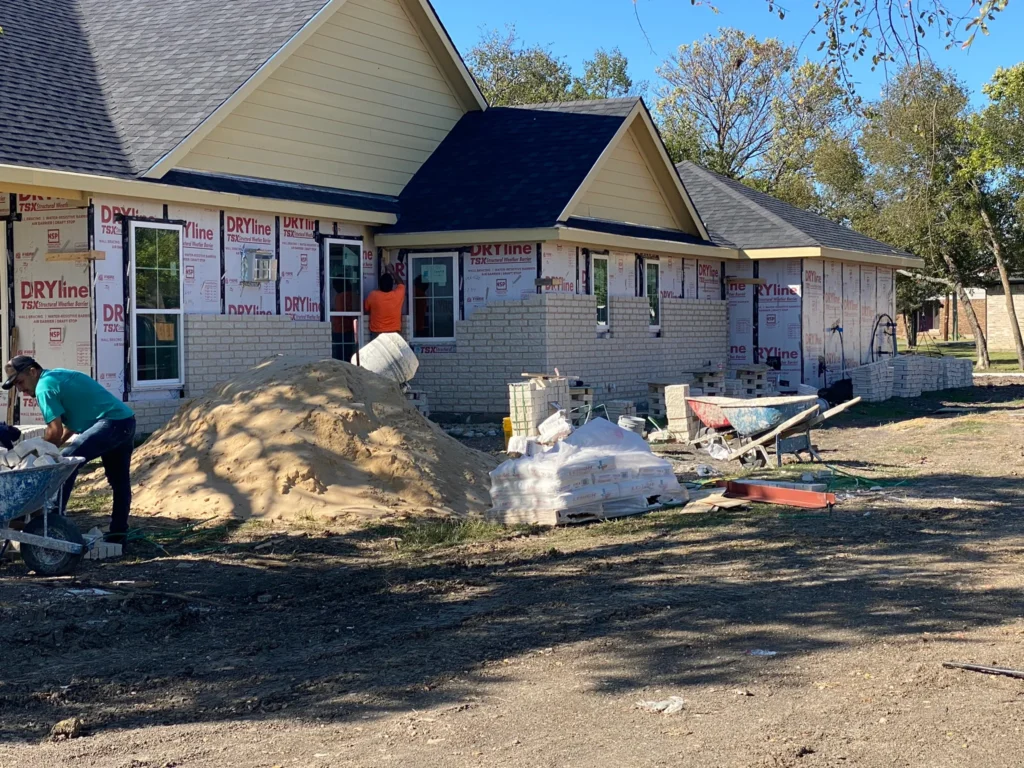
There are a number of times it is especially helpful to document property conditions. An initial record can help create a baseline of the property’s appearance prior to construction, excavation, remodeling, or demolition.
Commercial landlords can also document at the beginning of a new lease and at the end of a tenant’s lease. Baseline records can be employed to keep information on real estate within real estate investor’s portfolios.
A good way to go is to periodically document. Annual, semi-annual or custom inspections can be a great way to ensure that property managers have up-to-date historical records and to spot changes between inspection dates.
What Are Comparison and Progress Documentation?
Typically, the process starts with a preliminary baseline assessment. Selected building conditions, photographs and measurements are recorded and organised in this stage.
The locations and conditions described above are compared to the observations made at the site. This will paint a clearer picture of the difference between the two reporting dates.
Construction progress documentation is similar—it is used to document conditions before and after certain construction activities. For various property needs, Art Neidich provides baseline, comparison, construction progress, photographic and periodic property documentation.
Conclusion
Up to date information about properties can help keep building management and construction planning organized. A professional assessment of the condition of the property creates a point-in-time reference to assist in the documentation of observed conditions, and allows changes to be compared over time. Using a solid documentation system yields historical data that can be helpful in various situations such as construction, commercial property rentals, and investment properties.
Frequently Asked Questions
1. What is the main purpose of a property condition assessment?
Its main purpose is to document a property’s observable conditions at a specific time and establish a reference for future comparisons.
2. When should a baseline property assessment be completed?
Ideally, it should be completed before construction, excavation, remodeling, lease commencement, or other activities that may affect property conditions.
3. Does baseline documentation provide an engineering opinion?
No. Baseline documentation records observable conditions and measurements. Engineering analysis, conclusions about structural performance, and determination of causation require a state-licensed professional engineer.


