

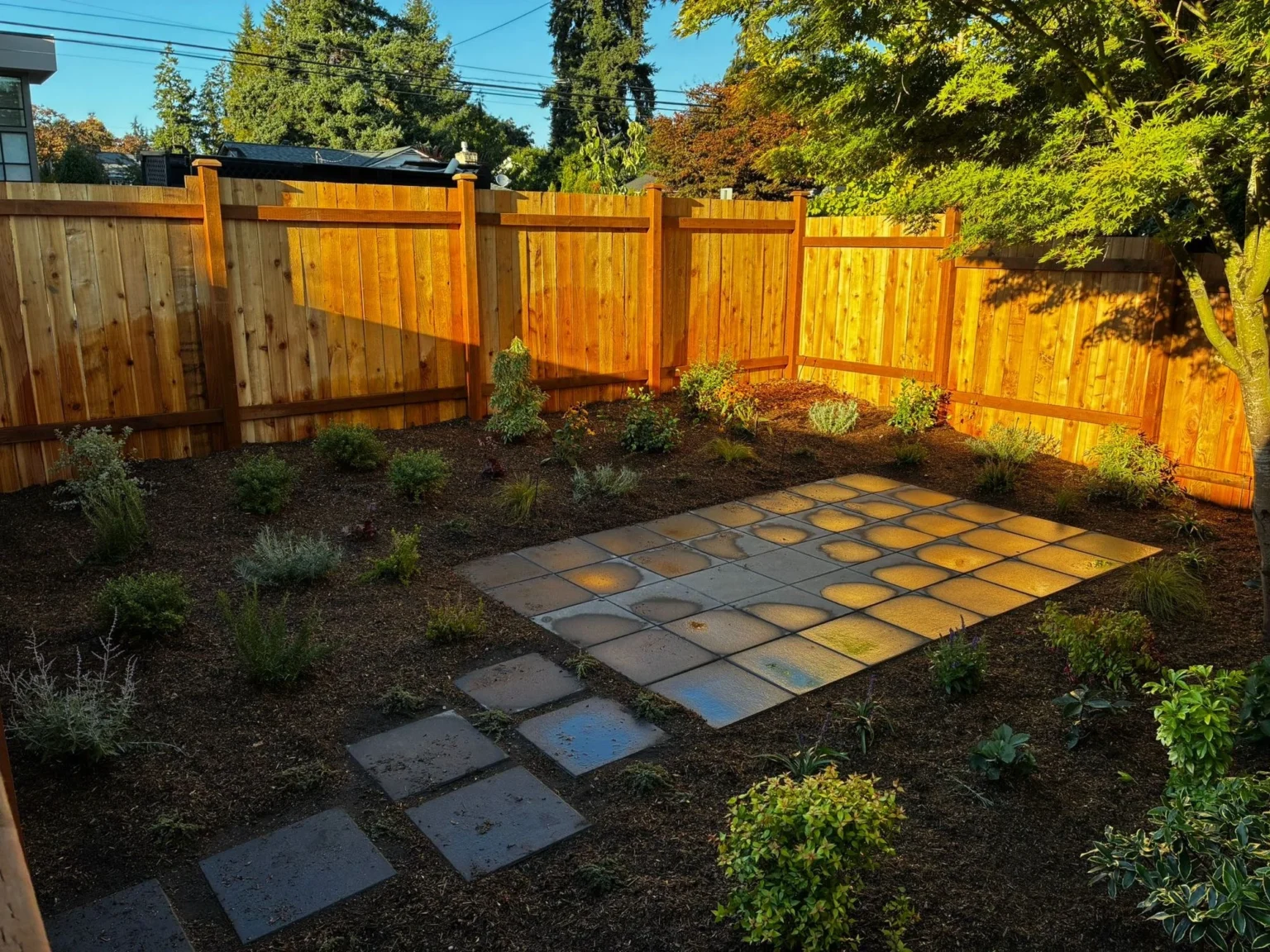
Maintaining a healthy lawn requires more than basic upkeep. It involves a strategic approach to watering that ensures plants receive consistent moisture without wasting resources. This is why irrigation services have become an essential solution for homeowners and businesses aiming to achieve efficient and sustainable lawn care. With advanced systems and professional expertise, you can maintain a lush and vibrant outdoor space throughout the year.
Why Efficient Irrigation Matters
Efficient irrigation is crucial for maintaining plant health and preventing common lawn issues. Overwatering can lead to root damage and fungal growth, while underwatering can cause plants to dry out and weaken.
Irrigation services provide a balanced watering approach, ensuring that every part of your lawn receives the right amount of moisture. This helps maintain uniform growth and improves the overall appearance of your landscape.
Proper irrigation also supports soil health by preventing erosion and maintaining essential nutrients. This creates a stable environment for plants to grow and thrive.
Benefits of Modern Irrigation Systems
Modern irrigation systems offer numerous advantages that make lawn care easier and more effective. One of the main benefits is automation, which allows systems to operate on scheduled settings without manual intervention.
These systems ensure consistent watering, reducing the risk of uneven growth and dry patches. They also improve water efficiency by delivering water directly to where it is needed.
Another advantage is cost savings. By minimizing water waste, irrigation systems help lower utility bills over time. They also reduce the need for frequent plant replacements, saving money in the long run.
Types of Irrigation Systems for Different Needs
Different landscapes require different irrigation solutions. Choosing the right system depends on factors such as property size, plant types, and soil conditions.
Sprinkler systems are ideal for large lawns, providing even coverage across wide areas. They are commonly used for residential and commercial properties.
Drip irrigation delivers water directly to plant roots, making it highly efficient for gardens and flower beds. This method reduces water waste and promotes healthy growth.
Soaker hoses provide slow and steady watering, maintaining consistent soil moisture levels. This method is suitable for smaller areas and delicate plants.
Combining multiple irrigation methods can create a comprehensive solution tailored to your landscape.
Integrating Irrigation with Landscaping Expertise
A well-designed irrigation system works best when combined with professional landscaping. Many property owners search for landscaping services near me to create outdoor spaces that are both functional and visually appealing.
Landscaping experts consider factors such as plant placement, sunlight exposure, and soil conditions when designing irrigation systems. This ensures that each area receives the appropriate amount of water.
By integrating irrigation with landscaping design, you can create a cohesive environment that supports plant health and enhances the overall beauty of your property.
Smart Technology for Water Conservation
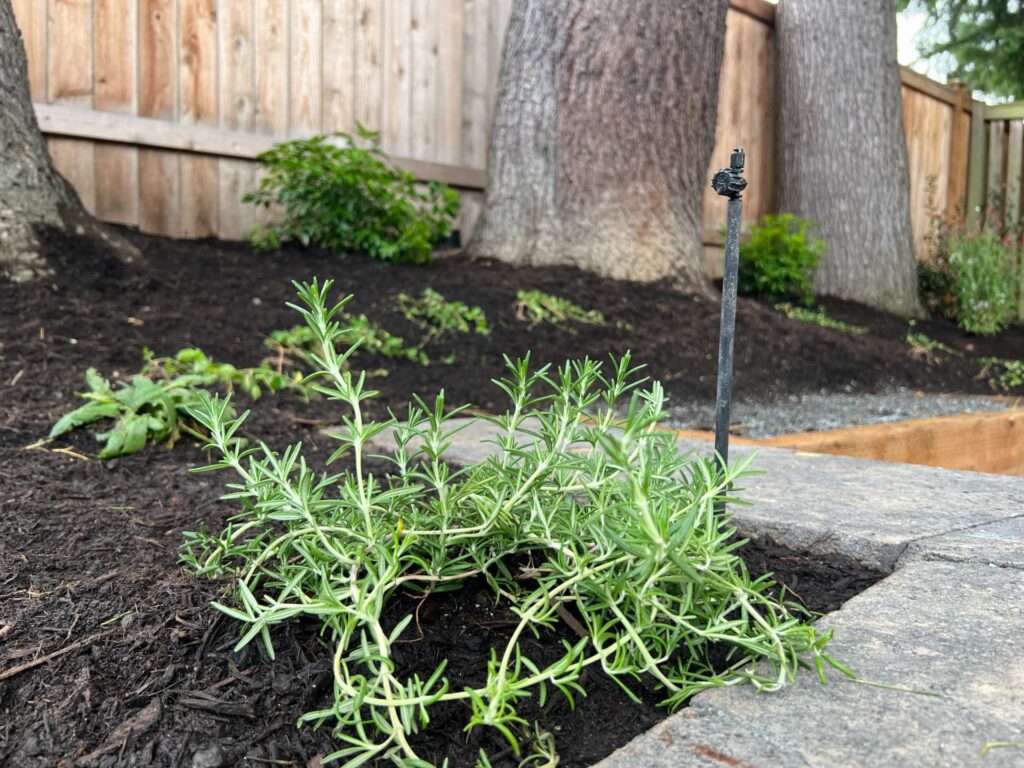
Smart irrigation technology has revolutionized lawn care by making systems more efficient and environmentally friendly. These systems use sensors and weather data to adjust watering schedules automatically.
This prevents unnecessary watering during rainy periods and ensures adequate hydration during dry conditions. As a result, water usage is optimized, and waste is minimized.
Remote access features allow you to control your irrigation system from anywhere, providing convenience and flexibility.
Seasonal Irrigation Adjustments
Seasonal changes significantly affect irrigation needs, making adjustments essential for maintaining a healthy landscape.
During spring, it is important to inspect your system and prepare it for increased usage. This includes checking for leaks and ensuring all components are functioning properly.
In summer, higher temperatures require more frequent watering. Early morning irrigation is recommended to reduce evaporation and maximize efficiency.
Fall is a time to gradually reduce watering as temperatures cool, preparing your landscape for winter.
Winter maintenance involves shutting down the system and protecting it from freezing conditions. Proper care during this period helps extend the lifespan of your irrigation system.
Maintenance Tips for Optimal Performance
Regular maintenance is essential to keep your irrigation system functioning efficiently. Without proper care, even the best systems can experience issues that affect performance.
Inspect your system regularly for leaks, clogged nozzles, and damaged components. Addressing these problems early can prevent costly repairs and water waste.
Cleaning sprinkler heads and adjusting watering schedules based on weather conditions can also improve efficiency.
Professional maintenance services ensure your system remains in optimal condition throughout the year.
Long-Term Benefits of Irrigation Services
Investing in irrigation services provides long-term benefits that go beyond convenience. Efficient systems improve plant health, enhance property value, and reduce maintenance efforts.
They also support sustainability by conserving water and promoting eco-friendly practices. Over time, these benefits make irrigation services a valuable addition to any property.
A well-maintained irrigation system ensures your lawn remains green and vibrant, creating an inviting outdoor environment.
Conclusion
Irrigation services are a vital component of effective lawn care and landscaping. They provide efficient watering, improve plant health, and support sustainable practices. By investing in professional irrigation solutions, you can enjoy a beautiful and thriving outdoor space with minimal effort. With proper planning and maintenance, your landscape can remain healthy and visually appealing throughout the year.
FAQ
1. What makes smart irrigation systems effective?
Smart irrigation systems use sensors and weather data to optimize watering schedules, ensuring efficient water usage.
2. How often should irrigation systems be maintained?
Irrigation systems should be inspected at least twice a year to ensure proper performance and efficiency.
3. Can irrigation systems help reduce water bills?
Yes, efficient irrigation systems minimize water waste, which can significantly lower water bills over time.