

Gardening has always been a rewarding hobby, but limited space, soil quality, and unpredictable weather can make it challenging. Fortunately, modern technology offers innovative solutions like the hydroponic tower. This vertical system allows plants to grow efficiently without soil, saving space and water while delivering faster growth. Whether you live in an apartment, have a small backyard, or want a year-round indoor garden, hydroponic towers make it possible to cultivate fresh vegetables, herbs, and fruits with minimal effort.
What Is a Hydroponic Tower?
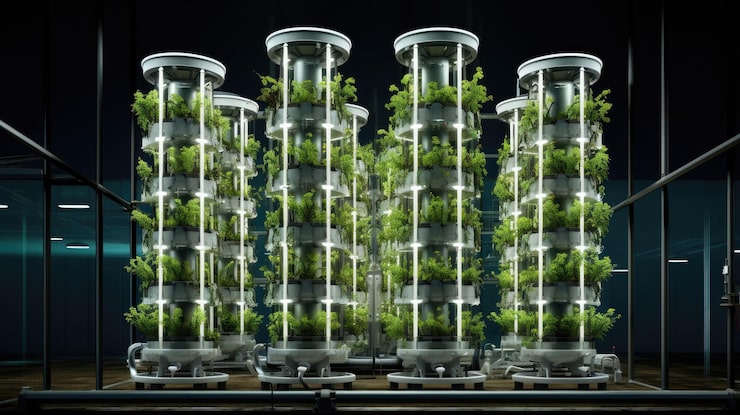
A hydroponic tower is a vertical gardening system that grows plants without soil. Instead of dirt, it relies on nutrient-rich water to feed the plants directly through their roots. These towers are designed with multiple planting sites stacked vertically, allowing you to grow more crops in a smaller footprint. Hydroponic towers are ideal for indoor and outdoor use, offering flexibility and efficiency for urban gardeners and commercial growers alike.
Key Benefits of Hydroponic Towers
- Space Efficiency: Vertical design maximizes your gardening area.
- Faster Plant Growth: Direct nutrient delivery accelerates development.
- Water Conservation: Uses up to 90% less water than traditional soil gardening.
- Reduced Pests and Diseases: Soil-free design minimizes common plant problems.
- Year-Round Growth: Indoor setups provide fresh produce regardless of season.
How Hydroponic Towers Work
Hydroponic towers operate using a simple yet highly effective mechanism. Nutrient-rich water is pumped from the base of the tower to the top, flowing through channels where plant roots are exposed to the solution. Some systems use continuous circulation, while others rely on gravity-fed designs. This ensures every plant receives an equal supply of nutrients, unlike soil gardening where some plants may compete for resources.
The modular nature of hydroponic towers also allows for easy maintenance, harvesting, and expansion. Many towers include built-in grow lights, ensuring optimal light exposure even in low-light environments, making them perfect for indoor gardening.
Choosing the Right Plants for Your Tower
Not all plants thrive in hydroponic towers, so it is important to select varieties that adapt well to vertical growth and nutrient solutions. Leafy greens, herbs, and small fruits are ideal choices. Examples include:
- Lettuce: Rapid growth and high yield.
- Basil and Mint: Thrive in nutrient-rich water.
- Spinach and Kale: Provide nutrient-dense greens year-round.
- Strawberries: Perfect for vertical setups with hanging fruits.
Starting with easy-to-grow plants ensures success while you familiarize yourself with hydroponic care. Over time, you can experiment with more complex crops.
Advantages Over Traditional Gardening
Hydroponic towers offer several advantages compared to conventional gardening:
- Clean and Efficient: Soil-free growth reduces mess and tool requirements.
- Higher Productivity: Vertical stacking increases output per square foot.
- Environmentally Friendly: Conserves water and minimizes chemical runoff.
- Pest-Free Growing: Less exposure to soil-borne pests and diseases.
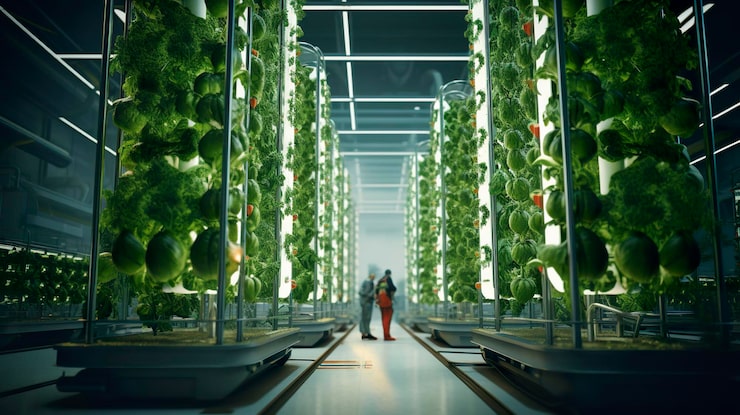
Urban gardeners, restaurants, and schools increasingly use hydroponic towers to cultivate fresh produce efficiently. They are also ideal for commercial growers aiming to maximize output in limited spaces.
Integrating a Grow Tower System
For those seeking maximum efficiency, combining your hydroponic setup with a grow tower system enhances both productivity and aesthetics. Grow towers are vertical modules that provide plants with optimized light, water, and nutrient circulation. This combination creates a lush, green environment while saving space and reducing maintenance requirements.
When designing a grow tower system, consider factors such as light exposure, water circulation, and tower stability. With careful planning, these systems allow for continuous growth, making it easy to harvest fresh produce year-round.
Maintaining Your Hydroponic Tower
Proper maintenance is crucial for the success of a hydroponic tower. Here are some essential tips:
- Monitor Nutrient Levels: Regularly check and adjust nutrient solutions for optimal plant health.
- Clean the System: Prevent algae buildup by cleaning reservoirs, tubing, and planting channels.
- Check Water pH: Keep pH levels within 5.5–6.5 for effective nutrient absorption.
- Inspect Plants: Remove damaged leaves to promote healthy growth.
Routine maintenance ensures your hydroponic tower remains productive and continues delivering high-quality plants.
Conclusion
Hydroponic towers are revolutionizing modern gardening by offering a space-saving, efficient, and sustainable solution. They allow plants to grow faster with fewer resources while minimizing common gardening challenges like pests and soil-borne diseases. By integrating a grow tower system, you can further optimize productivity and create a visually appealing, green environment. With proper care, hydroponic towers provide fresh vegetables, herbs, and fruits year-round, making them an excellent choice for both hobbyists and commercial growers looking to embrace modern, eco-friendly gardening techniques.


