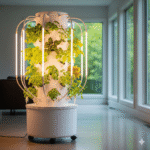


As the world faces challenges related to urbanization, water scarcity, and food sustainability, innovative agricultural practices are emerging to address these issues. Among these, aeroponic tower gardens stand out for their remarkable ability to grow plants efficiently and sustainably without the need for soil. These vertical gardens allow homeowners, urban farmers, and even institutions to grow food indoors or in small spaces with minimal water usage and maximum productivity.
The concept of aeroponics, where plant roots are suspended in the air and nourished with a nutrient-rich mist, is gaining popularity for its ability to promote faster growth, conserve water, and minimize the need for pesticides. This method of gardening is not only ideal for urban environments but also offers a sustainable alternative to traditional soil-based agriculture.
What is an Aeroponic Tower Garden?
An aeroponic tower garden is a vertical hydroponic system where plants grow in towers with their roots exposed to air and periodically misted with a nutrient solution. This innovative system eliminates the need for soil and uses less water, making it a highly efficient and sustainable method of growing food.
In an aeroponic tower, the nutrient solution is pumped from a reservoir at the base of the tower, traveling through pipes or tubes to the top of the tower, where it is evenly distributed to the plant roots as a fine mist. The roots, being suspended in the air, absorb the nutrients directly from the mist, which results in faster plant growth due to better oxygenation and nutrient delivery.
Aeroponics vs Hydroponics: Understanding the Key Differences
While both aeroponics and hydroponics belong to the same family of soil-free growing systems, they differ significantly in how nutrients are delivered to plants. hydroponic garden rely on submerging plant roots in nutrient-rich water, whereas aeroponic gardens suspend plant roots in the air, where they are misted with nutrients. This fundamental difference impacts the growth speed, efficiency, and water usage between the two methods.
Advantages of Aeroponics Over Hydroponics
- Faster Growth: Since the plant roots are exposed to more oxygen, they experience enhanced respiration, leading to faster growth.
- More Efficient Nutrient Delivery: In aeroponics, nutrients are delivered directly to the plant roots in a mist, allowing for quicker absorption and less waste.
- Water Conservation: Aeroponics uses much less water compared to hydroponics, as the water is recycled in a closed-loop system.
- Higher Oxygen Levels: The exposure to air allows the roots to take in more oxygen, which enhances root health and prevents issues like root rot.
How Does an Aeroponic Tower Garden Work?
An aeroponic tower garden is composed of several key components, each contributing to the system’s overall functionality and efficiency:
- Reservoir: The base of the tower contains a reservoir filled with a nutrient solution. This solution is a mix of water and essential plant nutrients that will nourish the plants.
- Water Pump: The water pump pushes the nutrient solution up through pipes to the top of the tower, where it is evenly misted over the plant roots.
- Vertical Tower: The tower itself is typically made of food-grade plastic or other durable materials, with multiple compartments to hold the plants.
- Grow Lights: If the system is used indoors, LED grow lights are often used to provide the necessary light for plant growth. These lights can be adjusted to provide optimal light intensity for the plants.
- Timers: Automated timers control the watering and lighting cycles, ensuring that plants receive the right amount of nutrients and light at the correct times.
In a typical setup, the nutrient solution is sprayed over the plant roots at regular intervals. This mist ensures the roots are adequately nourished while remaining exposed to plenty of oxygen, promoting healthier and faster-growing plants. The water that doesn’t get absorbed by the roots is collected at the base and recycled back into the reservoir.
The Benefits of Aeroponic Tower Gardens
Aeroponic tower gardens provide numerous advantages over traditional soil-based gardening methods, particularly when it comes to efficiency, sustainability, and ease of maintenance.
1. Space-Saving Design
Aeroponic towers use vertical space to grow plants, which makes them an excellent option for those with limited growing space. A small indoor area or even a balcony can accommodate a fully functional tower garden, allowing urban dwellers to enjoy homegrown produce without needing a large backyard.
2. Water Efficiency
One of the standout benefits of an aeroponic tower garden is its water efficiency. Compared to traditional soil gardening, which can waste water through runoff and evaporation, aeroponic systems use up to 95% less water. The closed-loop irrigation system ensures that water is recycled, minimizing waste and ensuring that every drop is put to good use.
3. Faster Growth and Higher Yields
Aeroponic systems promote faster growth rates due to the increased oxygenation of plant roots. Research has shown that plants grown aeroponically can grow up to three times faster than those grown in soil. Additionally, the efficient nutrient delivery system ensures that plants receive the optimal amount of nutrients, leading to higher yields and more nutrient-dense crops.
4. No Soil Means Fewer Pests and Diseases
Since aeroponic systems do not rely on soil, they are less prone to soil-borne pests and diseases. This means less need for pesticides and herbicides, resulting in cleaner, healthier crops.
5. Year-Round Growing
Aeroponic tower gardens are ideal for indoor gardening, making them suitable for year-round use. Even in areas with harsh climates, growers can cultivate fresh produce indoors, regardless of the weather outside.
6. Sustainability and Reduced Environmental Impact
Aeroponic systems reduce the need for transportation of crops, which helps decrease the carbon footprint associated with food production. Additionally, these systems are highly efficient in terms of water usage, making them a sustainable option for areas with limited water resources.
Best Plants for Aeroponic Tower Gardens
Aeroponic tower gardens are versatile and can support a wide range of plants. Some of the best crops to grow in aeroponic systems include:
- Leafy Greens: Lettuce, kale, spinach, and arugula are popular choices for aeroponic systems, as they grow quickly and require minimal space.
- Herbs: Basil, parsley, cilantro, and mint thrive in aeroponic systems due to their shallow root systems and rapid growth.
- Vegetables: Tomatoes, cucumbers, and peppers can also be successfully grown in aeroponic systems, although they may require extra support such as a trellis to manage their growth.
- Fruits: Strawberries can be grown in aeroponic towers, providing a high-quality, pesticide-free fruit option for home growers.
Aeroponics in Residential and Commercial Applications
While aeroponic tower gardens are often used in residential settings, they also have significant potential in commercial applications. Vertical farming, using aeroponic systems, can help meet the growing demand for fresh produce in urban areas, where space and resources are limited. Commercial scale aeroponic systems can produce large quantities of crops while using fewer resources compared to traditional farming methods.

Additionally, aeroponics has applications beyond Earth, as NASA has tested aeroponic systems for growing food in space. These systems could one day provide a sustainable way to grow food for astronauts on long-duration space missions.
Conclusion: The Future of Gardening with Aeroponic Tower Gardens
Aeroponic tower gardens represent a revolutionary way of growing plants, offering a sustainable, space-efficient, and water-conserving alternative to traditional gardening methods. Whether you’re looking to grow fresh herbs and vegetables at home or explore the potential of vertical farming, aeroponics provides a powerful solution to some of the world’s most pressing agricultural challenges.
For those seeking to integrate aeroponic gardening into their homes or businesses, ALTO Garden offers a variety of aeroponic tower systems designed to maximize growth potential, conserve water, and deliver healthy, fresh produce all year round. By embracing this innovative gardening method, individuals can contribute to a more sustainable future and enjoy the many benefits of homegrown food.